

Comparing Talent Matching Platform Features for Applicant Quality Screening
The modern recruitment landscape is defined by volume and velocity. According to recent industry data, the average corporate recruiter receives over 250 resumes for every open position. This influx of unstructured data creates a significant bottleneck in identifying high-potential candidates. Traditional keyword-based Applicant Tracking Systems (ATS) often fail to distinguish between a candidate who simply matches the job description and one who possesses the actual cognitive and behavioral traits required for success. Consequently, organizations are shifting toward advanced talent matching platforms that utilize predictive analytics and structured assessment data to screen applicants with greater precision.
Understanding Talent Matching vs. Traditional Screening
Traditional screening relies heavily on resume parsing. It looks for exact keyword matches in education, skills, and past job titles. While efficient for filtering out unqualified candidates, this method is prone to false positives. A candidate might have the right keywords but lack the underlying aptitude or cultural fit. Talent matching platforms, by contrast, integrate psychometric assessments, work samples, and structured interviews into the initial screening phase. This approach evaluates the candidate's potential rather than just their history.
The shift toward talent matching is driven by the need for predictive validity. Research indicates that unstructured interviews and resume screening have low predictive validity for future job performance. In contrast, structured assessments combined with data-driven matching algorithms significantly improve the accuracy of hiring decisions. This method reduces bias by focusing on objective data points related to job performance indicators.
Core Features for Applicant Quality
When evaluating talent matching platforms, several critical features determine their effectiveness in screening applicants. These features work together to create a holistic view of the candidate.
1. Psychometric and Cognitive Assessments
High-quality platforms offer integrated psychometric testing. These assessments measure cognitive abilities, personality traits, and behavioral preferences. The goal is to determine if the candidate's natural working style aligns with the role's demands. For example, a role requiring high attention to detail might prioritize candidates with specific conscientiousness traits. Match2 Assess provides a robust framework for integrating these evaluations directly into the application flow.
2. Structured Interview Integration
Structured interviews ensure that every candidate is evaluated on the same criteria. Platforms that facilitate this process often include question banks aligned with core competencies. This standardization reduces interviewer bias and improves the reliability of the screening data. The platform should allow hiring managers to review structured responses alongside assessment results.
3. Data-Driven Candidate Scoring
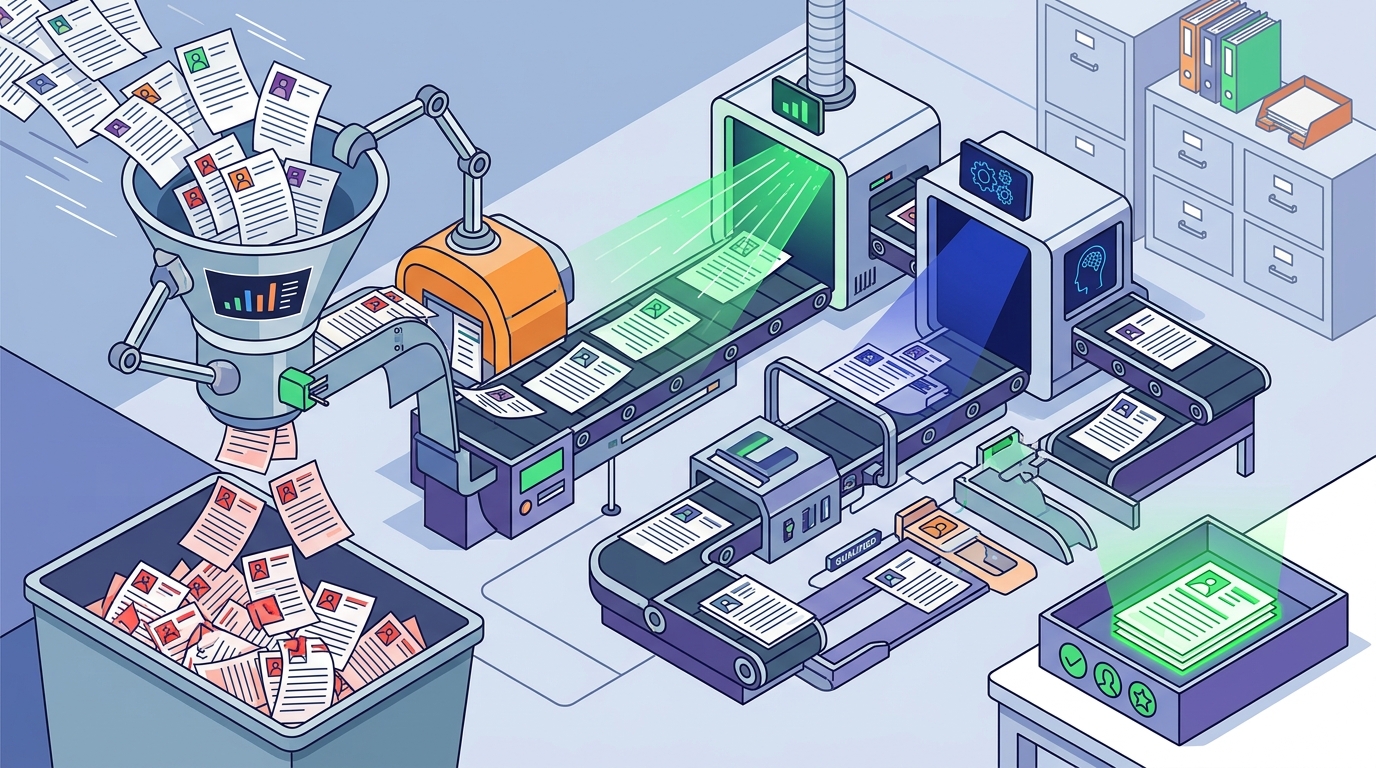
Effective talent matching requires a scoring mechanism that weighs different data points. A candidate might score high on cognitive tests but low on cultural fit. The platform must allow recruiters to define weights for different criteria based on the specific role. This dynamic scoring helps prioritize candidates who offer the best overall fit rather than those who excel in only one area.
Match2 Platform Analysis
Match2 has positioned itself as a leader in connected candidate recruiting solutions. The platform focuses on upgrading recruiting strategies by integrating assessment data with candidate profiles. This integration allows for a more nuanced view of applicant quality.
Integrated Assessment Workflow
One of Match2's key strengths is its seamless integration of assessments. Instead of sending candidates to a third-party site, the assessment is embedded within the recruiting workflow. This reduces friction and increases completion rates. The data generated from these assessments is immediately available to recruiters for screening purposes. This immediacy allows for faster decision-making and a better candidate experience.
Customizable Screening Criteria
Match2 allows organizations to customize screening criteria based on their unique needs. Recruiters can define specific competencies and weight them according to the role. This flexibility ensures that the platform adapts to the organization's hiring goals rather than forcing a one-size-fits-all approach. The platform's ability to handle diverse data types makes it suitable for a wide range of industries.
Reporting and Analytics
Comprehensive reporting is essential for continuous improvement. Match2 provides detailed analytics on candidate performance and assessment results. This data helps organizations identify patterns in successful hires and refine their screening criteria over time. The platform's reporting capabilities support evidence-based hiring decisions.
Comparing Platform Types
Not all talent matching platforms are created equal. Understanding the differences between various platform types is crucial for selecting the right solution. The following table compares common platform categories based on their approach to applicant screening.
| Platform Type | Primary Screening Method | Data Depth | Best For |
|---|---|---|---|
| Traditional ATS | Keyword Parsing | Low | High-volume, low-complexity roles |
| Assessment-First Platforms | Psychometric Testing | High | Roles requiring specific cognitive traits |
| Connected Candidate Solutions | Integrated Data & Assessments | Very High | Strategic hiring and talent optimization |
| AI-Driven Recruiters | Predictive Modeling | Medium | Automated initial screening |
Connected candidate solutions, such as those offered by Match2 Types, bridge the gap between traditional ATS and assessment-first platforms. They combine the organizational structure of an ATS with the depth of assessment data. This hybrid approach provides a comprehensive view of the candidate, leading to higher quality hires.
Key Takeaways
- Predictive Validity: Structured assessments and data-driven matching significantly outperform traditional keyword screening in predicting job performance.
- Integrated Workflow: Platforms that embed assessments directly into the application process reduce candidate friction and improve data completeness.
- Customizable Criteria: The ability to weight different competencies allows organizations to tailor screening to specific role requirements.
- Match2 Capabilities: Match2 offers a robust suite of features including advanced platform features designed to upgrade recruiting strategies.
- Reporting Insights: Comprehensive analytics enable continuous refinement of hiring criteria based on historical success data.
- Strategic Alignment: Choosing the right platform type depends on the complexity of the roles and the depth of data required for screening.
Frequently Asked Questions
What is the primary difference between talent matching and traditional resume screening?
Talent matching evaluates a candidate's potential, cognitive abilities, and behavioral traits through structured assessments. Traditional resume screening relies on keyword matching of past experience and education. Talent matching provides a deeper, more predictive view of candidate quality.
How do psychometric assessments improve applicant screening?
Psychometric assessments measure objective traits such as cognitive ability and personality. This data reduces bias and provides insights into how a candidate will perform in the role. It complements resume data by revealing underlying capabilities that are not visible on a CV.
What is a connected candidate recruiting solution?
A connected candidate recruiting solution integrates assessment data, structured interviews, and candidate profiles into a single workflow. This approach ensures that all relevant data is available for screening and decision-making. Learn more about Match2's mission to understand how this integration works.
Why is structured interview data important for screening?
Structured interviews ensure that all candidates are evaluated on the same criteria. This standardization reduces interviewer bias and improves the reliability of the screening data. It allows for fairer comparisons between candidates.
How can I customize screening criteria in a talent matching platform?
Most advanced platforms allow recruiters to define specific competencies and assign weights to them. This customization ensures that the screening process aligns with the unique requirements of each role. It enables a more targeted approach to applicant quality.
What role does analytics play in talent matching?
Analytics provide insights into the effectiveness of screening criteria and assessment tools. By analyzing historical hiring data, organizations can refine their criteria to improve future hires. This continuous improvement loop is essential for maintaining high hiring standards.
Is talent matching suitable for all job levels?
Talent matching is particularly valuable for roles requiring specific cognitive or behavioral traits. However, it can be adapted for various job levels by adjusting the assessment focus. For entry-level roles, the focus might be on potential and learning agility. For senior roles, it might focus on leadership and strategic thinking.
Next Steps
Optimizing your applicant quality screening process requires a strategic approach to platform selection. By leveraging integrated assessment data and structured evaluation methods, you can significantly improve the accuracy of your hiring decisions. Match2 offers a comprehensive suite of tools designed to upgrade your recruiting strategy. To explore how Match2 can transform your talent acquisition process, contact our team today for a personalized demonstration.